Search Engine Optimization (SEO) in 2026: The Complete Beginner’s Guide
In today’s digital world, having a website is not enough. Millions of websites compete for attention every day, and without proper visibility, your business may never reach potential customers. This is where Search Engine Optimization (SEO) becomes essential. SEO helps websites rank higher on search engines like Google, Bing, and Yahoo, bringing more visitors, leads, and sales organically.
Google AdSense Trends 2026: How to Increase Your Blog Earnings Fast
Whether you run a business website, blog, eCommerce store, or portfolio site, SEO plays a major role in online success. In this article, we will understand what SEO is, why it is important, and how businesses can improve their rankings in 2026.
What is SEO?
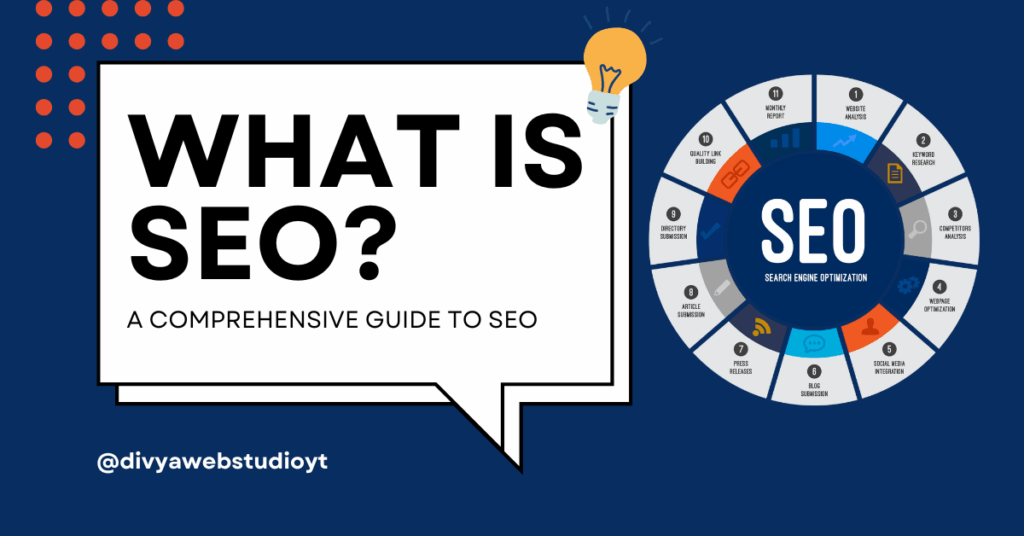
Search Engine Optimization (SEO) is the process of improving a website so that it appears higher in search engine results pages (SERPs). The main goal of SEO is to increase organic (free) traffic from search engines.
For example, if someone searches for “best web design company in Bhiwadi” and your website appears on the first page of Google, there is a high chance the user will visit your website and contact you.
SEO includes several strategies such as:
- Keyword research
- Content optimization
- Technical improvements
- Link building
- Mobile optimization
- Website speed enhancement
Google uses complex algorithms to rank websites, and SEO helps websites align with those ranking factors.
Why is SEO Important?
SEO is one of the most powerful digital marketing strategies because it brings targeted traffic without paying for advertisements continuously.
1. Increases Website Traffic
Higher rankings on Google mean more visibility. Most users click on websites appearing on the first page of search results.
2. Builds Trust and Credibility
Websites ranking on top are generally considered more trustworthy by users.
3. Generates Quality Leads
SEO targets users actively searching for products or services, which means better conversion opportunities.
4. Long-Term Results
Unlike paid ads, SEO provides long-term benefits. A well-optimized page can generate traffic for months or years.
5. Improves User Experience
Modern SEO focuses heavily on user experience, mobile responsiveness, and fast-loading pages.
Types of SEO
SEO can be divided into three major categories:
1. On-Page SEO
On-page SEO refers to optimizing elements within your website.
Important On-Page SEO Factors:
- Proper keyword usage
- SEO-friendly titles
- Meta descriptions
- Heading tags (H1, H2, H3)
- Internal linking
- Image optimization
- High-quality content
- URL structure
Example:
Instead of:
website.com/page123
Use:
website.com/search-engine-optimization-guide
2. Off-Page SEO
Off-page SEO focuses on improving website authority through external methods.
Main Off-Page SEO Techniques:
- Backlink building
- Guest posting
- Social media marketing
- Brand mentions
- Business directory submissions
Backlinks from trusted websites signal to Google that your website is valuable and trustworthy.
3. Technical SEO
Technical SEO improves the backend structure of a website to help search engines crawl and index pages effectively.
Important Technical SEO Factors:
- Website speed
- Mobile responsiveness
- SSL certificate (HTTPS)
- XML sitemap
- Robots.txt
- Structured data
- Clean code
- Fixing broken links
Technical SEO is extremely important in 2026 because Google prioritizes websites offering excellent user experiences.
Keyword Research: The Foundation of SEO
Keywords are the words and phrases users type into search engines.
For example:
- “Best SEO company”
- “Website design services”
- “Digital marketing agency near me”
Choosing the right keywords helps attract the right audience.
Best Keyword Research Tools
- Google Keyword Planner
- Ahrefs
- SEMrush
- Ubersuggest
- Google Trends
Focus on:
- Search volume
- Competition
- User intent
Long-tail keywords are especially useful because they have lower competition and higher conversion rates.
Example:
Instead of:
“SEO”
Use:
“Affordable SEO services in Rajasthan”
Content is King in SEO
Google loves helpful, original, and informative content.
High-quality content:
- Solves user problems
- Answers questions
- Provides value
- Keeps users engaged
Tips for Creating SEO-Friendly Content
- Write for humans first
- Use keywords naturally
- Add headings and subheadings
- Use images and videos
- Keep paragraphs short
- Update old content regularly
In 2026, AI-generated content is increasing rapidly, but Google still prioritizes valuable and human-focused content.
Importance of Website Speed
Website speed directly impacts rankings and user experience.
Slow websites lead to:
- Higher bounce rates
- Lower conversions
- Poor user experience
How to Improve Website Speed
- Compress images
- Use WebP format
- Enable caching
- Use a CDN
- Minify CSS and JavaScript
- Choose fast hosting
Google’s Core Web Vitals are now a major ranking factor.
Mobile SEO in 2026
Most users browse websites using smartphones. Google follows mobile-first indexing, meaning it primarily evaluates the mobile version of websites.
Mobile SEO Tips
- Use responsive design
- Improve mobile speed
- Use readable fonts
- Avoid intrusive popups
- Optimize buttons and navigation
A mobile-friendly website not only improves SEO but also increases conversions.
Local SEO for Businesses
Local SEO helps businesses appear in local searches like:
- “SEO company near me”
- “Web designer in Bhiwadi”
Local SEO Strategies
- Create Google Business Profile
- Add business location keywords
- Collect customer reviews
- Add local schema markup
- Use consistent NAP details (Name, Address, Phone)
Local SEO is extremely valuable for service-based businesses targeting nearby customers.
Link Building Strategies
Backlinks remain one of the strongest ranking factors.
Effective Link Building Methods
- Guest blogging
- Business directories
- Blog outreach
- Social sharing
- Creating shareable content
However, low-quality or spammy backlinks can harm rankings. Quality matters more than quantity.
Common SEO Mistakes to Avoid
Many websites fail to rank because of common SEO mistakes.
Avoid These Errors:
- Keyword stuffing
- Duplicate content
- Slow website speed
- Poor mobile design
- Buying spam backlinks
- Ignoring technical SEO
- Using copied content
Google continuously updates its algorithms to penalize low-quality practices.
Future of SEO
SEO continues evolving every year.
In 2026, important trends include:
- AI-powered search
- Voice search optimization
- Video SEO
- User experience signals
- E-E-A-T (Experience, Expertise, Authoritativeness, Trustworthiness)
Businesses that focus on quality content and user satisfaction will achieve long-term success.
Conclusion
Search Engine Optimization is one of the most effective ways to grow a business online. It helps websites gain visibility, attract targeted traffic, and generate leads without relying entirely on paid advertising.
SEO is not a one-time process; it requires continuous optimization, quality content, and technical improvements. By focusing on user experience, website speed, mobile responsiveness, and valuable content, businesses can achieve strong rankings in search engines.
Whether you are a beginner or an experienced website owner, investing time and effort into SEO can deliver excellent long-term results. In the competitive digital landscape of 2026, SEO is no longer optional — it is essential for online success.